


Arizona may not be the first state that comes to mind when people think of farming, but the agricultural sector here is substantial and diverse. From cotton fields in the Pinal Valley to cattle ranches in Cochise County, and from specialty crop operations in the Yuma region to small family farms in the high country, farm insurance arizona is a coverage category that matters deeply to the people who work the land every day. Without the right protection in place, a single weather event, liability claim, or equipment failure can unravel years of investment and hard work.
Why Standard Homeowners Insurance Is Not Enough
Many rural landowners in Arizona assume their homeowners policy covers their farming activities. This is one of the most common and costly misconceptions in agricultural coverage. Standard homeowners policies are designed for residential properties, not working farms. They typically exclude farm machinery, livestock, crops, and farm-related liability from their coverage scope.
If a visitor is injured on your property while you are conducting farm operations, your homeowners policy may not respond. If a piece of harvesting equipment breaks down during peak season, you will likely be on your own for repairs or replacement. Arizona agricultural insurance is a dedicated product category designed specifically to address these gaps and give farm owners genuine financial protection.
What Farm Insurance Typically Covers
A well-structured farm insurance policy bundles several coverage types into a single package tailored to agricultural operations. Understanding what each component does helps farm owners make informed decisions about their coverage.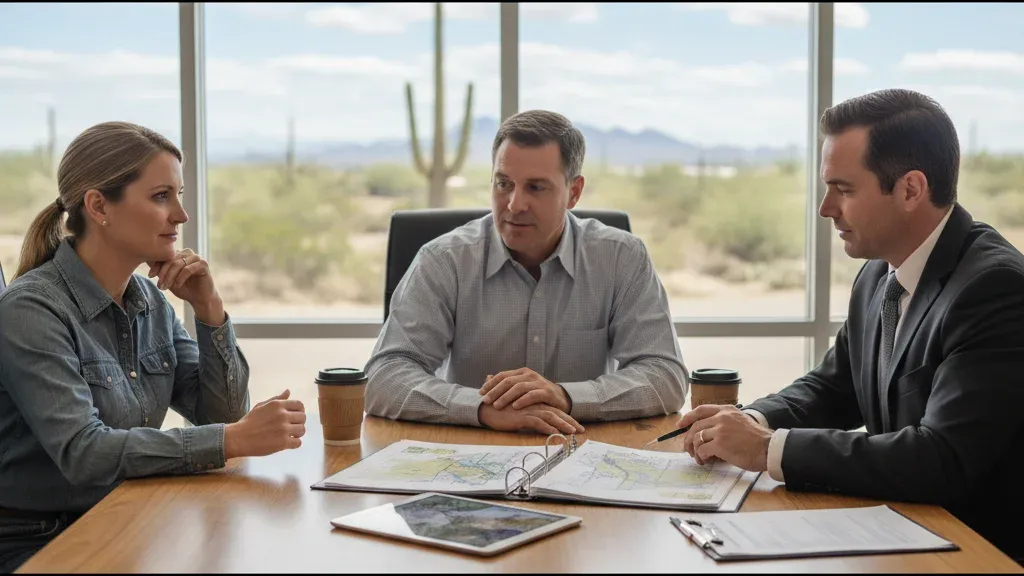
Farmhouse and Outbuildings
The dwelling where a farm family lives is covered similarly to a homeowners policy, including protection against fire, wind, hail, and other covered perils. More importantly, farm insurance extends that structure coverage to barns, equipment sheds, grain storage facilities, irrigation infrastructure, and other outbuildings that have no place in a standard residential policy.
Farm Personal Property
This component covers the tools, equipment, and supplies used to run the operation. Tractors, plows, irrigation pumps, fencing materials, and stored feed or seed all fall under this category. Coverage applies to damage, theft, and in some cases mechanical breakdown, depending on how the policy is structured.
Livestock Coverage
For ranchers and livestock producers in Arizona, animals represent a significant portion of total farm value. Livestock coverage protects against loss from covered perils such as lightning, fire, and in some policies, accidental death. It is important to understand exactly what events are covered and which exclusions apply, since livestock policies vary considerably between carriers.
Crop Insurance
Crop coverage helps protect against yield losses caused by drought, hail, frost, pests, or other named perils. Federal crop insurance programs administered through the USDA Risk Management Agency provide baseline options for many commodity crops, while private insurers offer supplemental and specialty crop coverage. Arizona farmers growing high-value crops like melons, leafy greens, or pecans often need coverage beyond what federal programs provide.
Farm Liability Insurance
Farm liability insurance az is one of the most important and sometimes underappreciated components of a complete farm policy. It protects the farm owner if a third party is injured on the property or suffers property damage as a result of farm operations. This includes situations like a visitor being kicked by livestock, a neighbor's field being damaged by a chemical application that drifted, or someone being injured by farm equipment.
For farms that operate agritourism activities, such as corn mazes, pumpkin patches, farm stands, or educational tours, liability exposure increases significantly. Standard farm liability coverage may not be sufficient for agritourism risks, and farm owners in those situations should discuss specialized coverage options with their agent.
Farm Auto and Hired Equipment
Vehicles used primarily for farm purposes, including trucks, ATVs, and utility vehicles, may need coverage separate from a personal auto policy. Additionally, if your operation regularly rents or borrows equipment from other farms or dealers, hired and non-owned equipment coverage protects you when you are operating machinery you do not own.
Unique Agricultural Risks in Arizona
Arizona presents a specific set of environmental and operational challenges that farm owners need to account for when selecting coverage.
Drought and Water Availability
Water is the defining constraint of Arizona agriculture. Extended drought periods, declining aquifer levels, and shifting water allocation policies create financial uncertainty that can affect planting decisions, crop yields, and long-term farm viability. While insurance cannot solve a structural water shortage, crop insurance products designed around drought losses can provide a financial cushion during particularly dry years.
Extreme Heat
Summer temperatures in the desert regions of Arizona regularly push into triple digits, which stresses livestock, increases equipment wear, and can damage certain crops even in fields with adequate water. Heat-related livestock losses and equipment failures during peak growing seasons are real risks that Arizona farm owners face in ways that producers in cooler climates may not.
Monsoon Weather
The Arizona monsoon season typically runs from June through September and can bring intense localized storms with damaging winds, flash flooding, hail, and lightning. Flooding can damage crops, erode soil, compromise irrigation systems, and cause structural damage to farm buildings. Coverage for flood losses is typically not included in standard farm policies and must be purchased separately, either through the National Flood Insurance Program or private flood carriers.
Wildfire Exposure
For farms and ranches in northern Arizona and along the Mogollon Rim, wildfire is a serious property risk. Rangeland fires can spread rapidly and destroy fencing, structures, livestock, and equipment in a matter of hours. Verifying that your policy includes adequate coverage for fire damage to outbuildings, equipment, and livestock is especially important if your operation sits in or near wildland-urban interface areas.
How Farm Size and Operation Type Affect Coverage Needs
Not every farm in Arizona looks the same, and coverage needs vary considerably depending on scale and type of operation.
A small hobby farm with a few acres of vegetables and a handful of chickens has different exposures than a 5,000-acre cotton operation with millions of dollars in equipment and hundreds of head of cattle. Specialty crop farms, dairies, feedlots, and equestrian operations each carry their own distinct risk profiles.
When evaluating coverage, be honest and thorough about what your farm actually does. Underreporting acreage, livestock numbers, or equipment values to keep premiums down creates coverage gaps that will hurt at claim time. A knowledgeable agent will help you accurately inventory your operation and match coverage limits to real replacement costs.
Working With an Agent Who Understands Agriculture
Farm insurance is a specialty product that requires an agent with genuine knowledge of how agricultural operations work. Cookie-cutter coverage decisions can leave farm owners with policies that look adequate on paper but fail in specific loss scenarios.
A qualified agent will take the time to understand your operation, ask about your business activities beyond just crop production, review your existing coverage for gaps, and explain how different policy structures would respond to the losses most likely to affect a farm in your part of Arizona. They should also be able to discuss how federal farm programs interact with private coverage and help you coordinate the two effectively.
Questions to Ask When Comparing Farm Policies
When reviewing farm insurance options, consider asking the following:
- Are all of my outbuildings listed and adequately insured to replacement cost?
- Does livestock coverage include all the causes of loss relevant to my operation?
- What are the exclusions in my crop coverage, and do I need supplemental protection?
- Does my liability coverage extend to any agritourism or farm stand activities?
- How does my farm auto coverage interact with my personal auto policy?
- What is the process for filing a claim, and how quickly are claims typically resolved?
These questions help surface the details that matter most when a loss actually occurs.
Protect What You Have Built With the Right Coverage
Running a farm in Arizona takes grit, knowledge, and long-term commitment. The financial foundation you have built through that work deserves the same level of care and planning. The right farm insurance policy does not eliminate risk, but it does ensure that a bad season, a severe storm, or an unexpected liability claim does not have to end what you have worked so hard to build.
Insurance All Stars serves agricultural clients across Arizona and understands the specific coverage challenges that come with farming and ranching in this state. If you have questions about your current coverage, want to compare policy options, or are starting a new farm operation and need guidance on where to begin, reach out to the team at insuranceallstarsagency.com. Getting the right protection in place is one of the best investments you can make for the long-term health of your agricultural operation.