


Builders risk insurance protects an Arizona construction project from fire, wind, and vandalism, but it will not pay for every loss on site. Knowing what builders risk does not cover on an Arizona construction project, from flood damage to faulty workmanship, helps you close the gaps before they cost you. Contact our agents to review your policy.
What Builders Risk Does Not Cover on an Arizona Construction Project: The Short Answer
Builder risk insurance exclusions in Arizona typically fall into four buckets: workmanship, weather, theft, and liability. That's the insurance builders risk skipping when budgets tighten, so it pays to know the list upfront. This risk insurance, or builders risk insurance more specifically, is often called course of construction insurance, and it's built around a list of named exclusions rather than blanket protection. Most policies exclude faulty workmanship, wear and tear, mechanical breakdown, employee injuries, and design errors as a starting point. Arizona projects also face regional gaps: monsoon flooding, earthquake and soil movement, and wind or dust storm damage are often excluded or capped unless a builder buys them back as an endorsement. Every risk insurance builders carry in Arizona should spell out these exclusions in plain language before the contract is signed. Any builder working on a construction project in Arizona should read the exclusions list before ground breaks, not after a claim gets denied.
Natural and Weather Damage Exclusions on Arizona Job Sites
Arizona's climate creates its own set of builders risk gaps, separate from the workmanship and liability exclusions above. Flood, earthquake, and wind each get treated differently by a standard policy, and knowing which is which keeps a contractor from assuming coverage that was never there.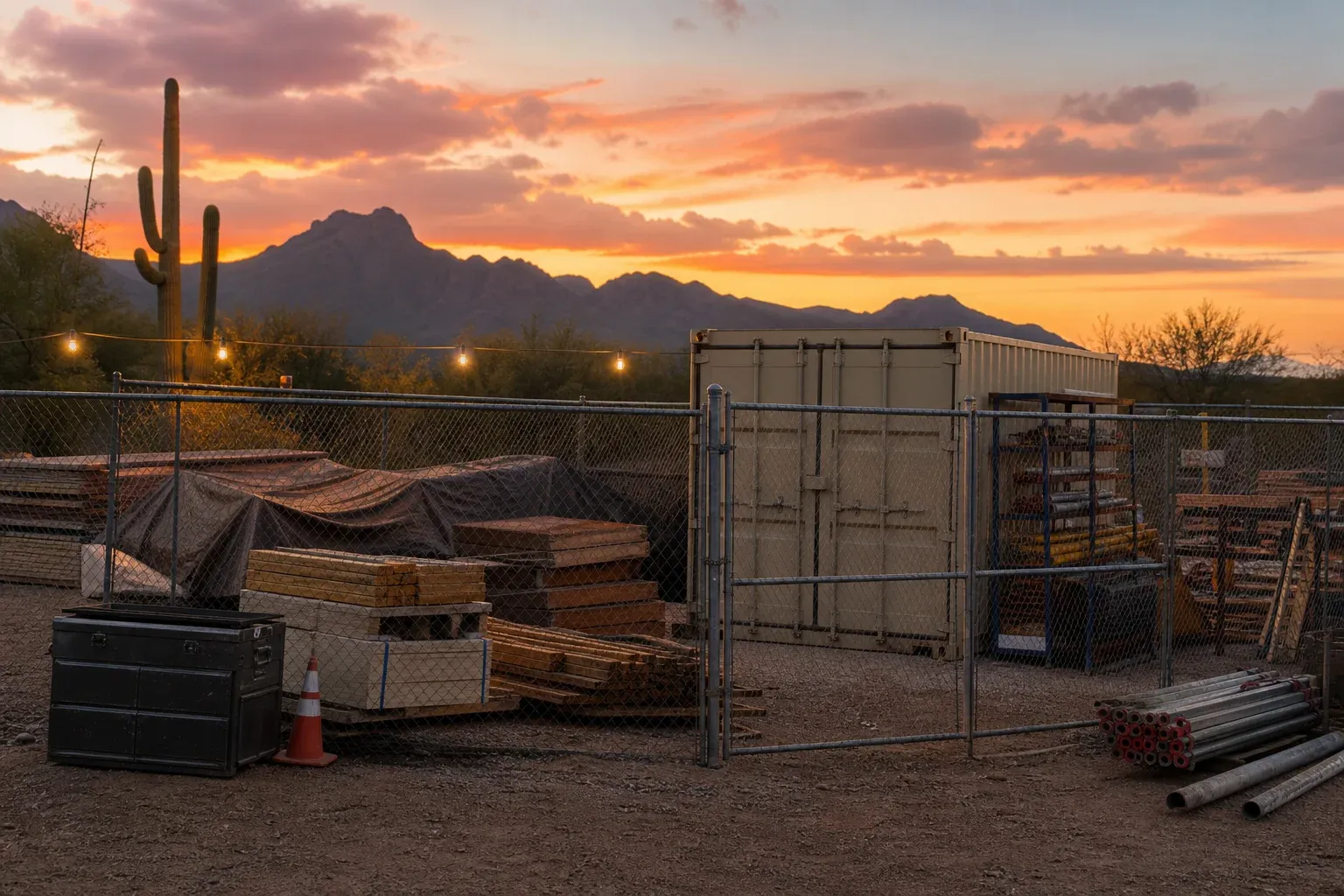
Flood and Monsoon Water Damage
Standard builders risk policies almost always exclude flood, defined broadly as surface water, storm surge, or overflow, as a base peril. Arizona's monsoon season brings flash flooding and washes that can fill a foundation or damage stored materials in minutes, but that water damage is typically not covered unless the policy carries a specific flood endorsement or a standalone builder's risk flood policy sits alongside it.
Earthquake and Soil Movement
Earthquake, landslide, and soil movement, including the expansive clay soils common in parts of Arizona that shift with moisture, sit in the same excluded category as flood on most builders risk forms. Coverage for ground movement is available as a separate endorsement, and contractors working on a site with known soil issues should ask their agent to quote it before the policy binds.
Wind and Dust Storm Damage
Wind and dust storms, known locally as haboobs, are a different story. Most builders risk policies do cover wind damage as a named peril, but coverage often comes with a separate, higher deductible for named windstorms, and cosmetic damage like dust infiltration or minor debris may fall under an exclusion. Reading the declarations page for the wind deductible before storm season, not after, keeps a claim from turning into a dispute.
Theft and Vandalism Gaps on the Job Site
Property crime is one of the most common builders risk claims on an active site, and it's also one of the most misunderstood exclusions, since coverage often depends on where the loss happened and what was taken.
Theft of Tools and Building Materials
Builders risk insurance does cover theft of building materials that are part of the insured project, but it typically excludes contractor-owned tools and equipment, employee personal property, and materials that haven't yet been delivered to the site or that are stored somewhere other than the address listed on the policy. A separate inland marine or tool-and-equipment floater fills that gap for contractors who move tools between projects.
Vandalism on the Job Site
Vandalism is usually a covered peril, but insurers expect reasonable site security: fencing, lighting, and locked storage in place. A vacancy clause can also suspend coverage if a project sits idle past the timeframe listed in the policy, often 30 to 60 days. A vandalism claim on a site with no fencing or an expired vacancy window is one of the more common reasons a claim gets denied.
Workmanship, Materials, and Liability Exclusions
Faulty Workmanship and Defective Materials
Builder risk insurance is not a warranty. Damage caused by faulty workmanship, design error, or defective materials is excluded at the source, though resulting damages to other, correctly built parts of the structure are often still covered. If a subcontractor's bad weld causes a fire that damages the frame, many policies will cover the fire damage even though they would not have covered the weld itself.
Worker Injuries and Subcontractor Liability
Builders risk covers the property under construction, not people. Worker injuries, subcontractor liability, and third-party bodily injury claims fall entirely outside a builders risk policy and instead belong to workers' compensation and general liability insurance. A contractor carrying builders risk alone, with no contractor liability coverage behind it, is exposed the moment someone gets hurt on site.
Filling the Gaps: Additional Insurance Coverage You Need
That list, what builders risk does not cover on an Arizona construction project, is exactly why most contractors carry more than one policy. Because builders risk leaves out workmanship, liability, theft of tools, and often flood and earthquake damage, most Arizona contractors pair it with general liability insurance, workers' compensation, and an inland marine floater for tools and equipment, then add a standalone flood or earthquake endorsement on sites where those risks are real. Our insurance agents can map these gaps against your project's actual site conditions and building costs, then build a package instead of leaving coverage to chance. That's the same risk that insurance builders often risk when they skip the right endorsement, and it's an easy one to close with the right package. Revisiting that package each time a new project starts, rather than reusing last year's limits, keeps the coverage matched to the actual construction value on site.
Frequently Asked Questions
When does builders risk coverage end on an Arizona construction project? Builders risk coverage is written for a specific construction period, not an open-ended term. It typically ends at substantial completion, occupancy, or when the policy's stated term expires, whichever comes first, usually 3 to 12 months depending on the project, and the completed building then needs its own commercial property insurance. Coverage doesn't automatically renew, so understanding what builders risk does not cover on an Arizona construction project, including an expired term, matters before that date arrives.
How much does builders risk insurance cost for an Arizona construction project? Cost depends on the project's total construction value, the building materials used, the location, the project length, and the coverage limits and deductibles chosen, so there's no flat rate that applies across every job. A local agent can quote actual costs once they know the project's scope and site conditions.
Does builders risk insurance cover tools and equipment left on-site overnight? Usually not, without an endorsement. Contractor-owned tools and equipment typically fall outside a standard builders risk policy, even when stored on the same site as the covered structure. Contractors generally need a separate tool-and-equipment floater or inland marine policy to cover theft of, or damage to, owned equipment.
Is builders risk insurance the same as course of construction insurance? Yes. Course of construction insurance is another name for the same coverage type as builders risk insurance, and agents use the terms interchangeably. Both describe a policy covering a structure, and often the materials on-site, while a project is actively under construction, with the same general exclusions for workmanship and worker injuries.
What happens to a builders risk claim if the vacancy clause is violated? Coverage can be suspended or denied for the period a project sat vacant past the policy's stated limit, even if the underlying damage would otherwise be covered. Keeping the builder or agent updated on any pause in active construction, and reviewing the vacancy clause and claims process before work stalls, keeps a stalled project from becoming an uninsured one.
Talk to an Agent About Your Arizona Builders Risk Policy
Every construction project carries its own mix of site conditions, materials, and timeline risk, and the right builders risk policy accounts for all three before a loss happens, not after. Talk to an agent at Insurance All Stars Team to review your current coverage and close the gaps this article walked through.